
The Texas Health and Human Services Commission (HHSC) is preparing a redesign of its Medicaid provider enrollment system while using automation and an artificial intelligence-supported tool to improve payment accuracy in the Supplemental Nutrition Assistance Program.
The updates came during the commission’s June 18 Executive Council meeting, where agency officials discussed provider revalidation and SNAP payment accuracy under separate agency update items.
Jordan Nichols, deputy associate commissioner for Medicaid and CHIP Operations Management, said at the meeting that the agency’s provider revalidation strategy calls for a project to redesign the Provider Enrollment and Management System, or PEMS. HHSC received funding from the Texas Legislature during the last session to enhance the system, and Nichols said the agency expects the changes to strengthen provider compliance by making the system easier to use. The commission expects to go live with the redesigned system in August 2027.
PEMS is used for Medicaid provider enrollment and revalidation. Nichols said providers generally receive a five-year enrollment period and must revalidate at the end of that period by resubmitting information about their business, services and qualifications. That process was paused during the COVID-19 emergency and resumed in November 2023. Since then, some providers have struggled to complete revalidation on time.
Nichols also said HHSC will evaluate and correct data integrity issues in the system, including provider revalidation dates that are many years in the past. Providers with incorrect revalidation dates will likely be required to revalidate as part of a special revalidation cycle. HHSC and its Office of Inspector General are also reviewing enrollment trends to determine whether certain provider types have seen large increases in enrollment activity.
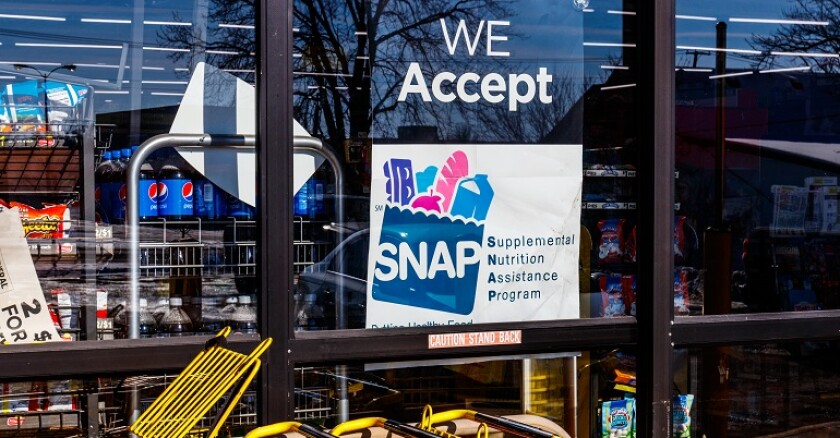
In a separate update, Molly Regan, chief of Family Resources and Eligibility Services, said HHSC is working on several fronts to increase SNAP payment accuracy, including system enhancements, automation, client communications, training and workforce support and policy clarity.
Regan said the system work includes real-time prompts or flags for workers to help staff confirm that information is entered correctly and common error elements are reviewed. Income calculation was cited as one example because household income affects benefit levels and can drive payment errors if miscalculated.
The agency has also deployed an AI-supported policy guidance tool for eligibility workers. Regan described the tool as a way for workers to get case-specific, real-time guidance from the agency’s policy handbook. The meeting discussion did not identify a vendor, product name or implementation details.
The SNAP work comes as payment accuracy has new fiscal implications for states. Regan said federal changes mean that, beginning in federal Fiscal Year 2028, states may be required to pay a portion of SNAP benefit costs based on payment error rates. States will use either their FY 2025 or FY 2026 error rate calculations to determine the basis for that cost share.
Regan said HHSC has completed its state FY 2025 quality control reviews and expects final federal payment error rates this month or next month. The agency is also partway through its federal FY 2026 reviews and expects to have a state-calculated rate for that year going into the next legislative session.
HHSC Eyes Provider System Redesign, SNAP Automation Work
What to Know:
- The commission expects to go live with the redesigned Provider Enrollment and Management System in August 2027.
- HHSC is using real-time prompts, flags and automation to help eligibility workers reduce common SNAP payment errors, including income-calculation errors.
- The agency has deployed an AI-supported policy guidance tool for eligibility workers.
(Shutterstock)








